Die Bücher
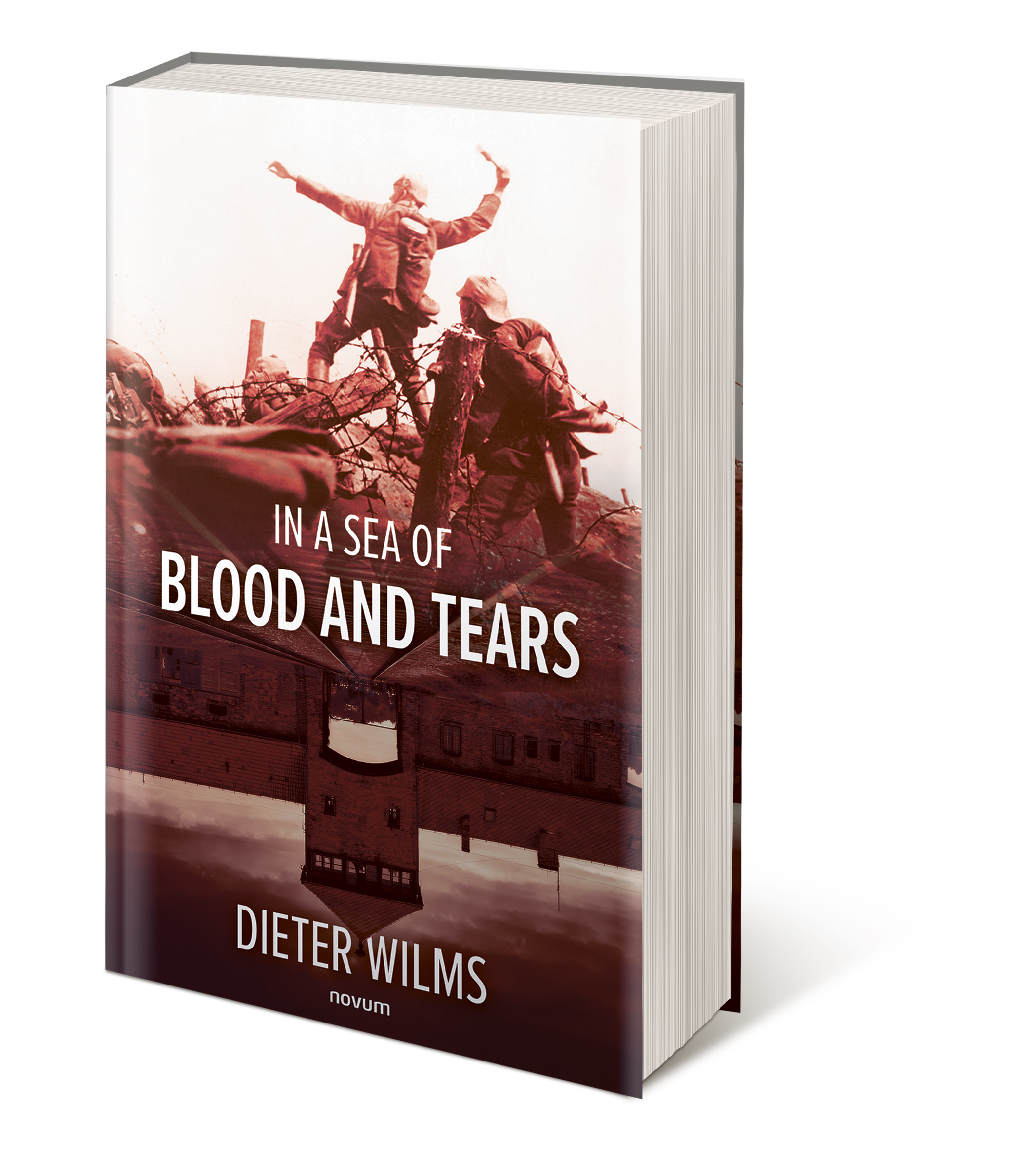
In einem Meer aus Blut und Tränen
Die Wende vom 19. zum 20. Jahrhundert. Das europäische Machtgefüge beginnt, ins Wanken zu geraten. Zwei grundverschiedene Jungen wachsen in dieser Zeit auf: David Rosendahl, der Sohn eines der modernsten Fleischfabrikanten Berlins; Martin, das Findelkind von Mönchen großgezogen und später unter der Tyrannei seines Adoptivvaters Franz Kreidler leidend. Noch ahnen sie nicht, dass sich ihre Wege und Schicksale auf dem Schlachtfeld des Ersten Weltkrieges kreuzen werden. Doch diese Urkatastrophe ist erst der Auftakt der gesellschaftlichen und politischen Entwicklungen, die ab den 1920er-Jahren zusehends zur nächsten Katastrophe führen.
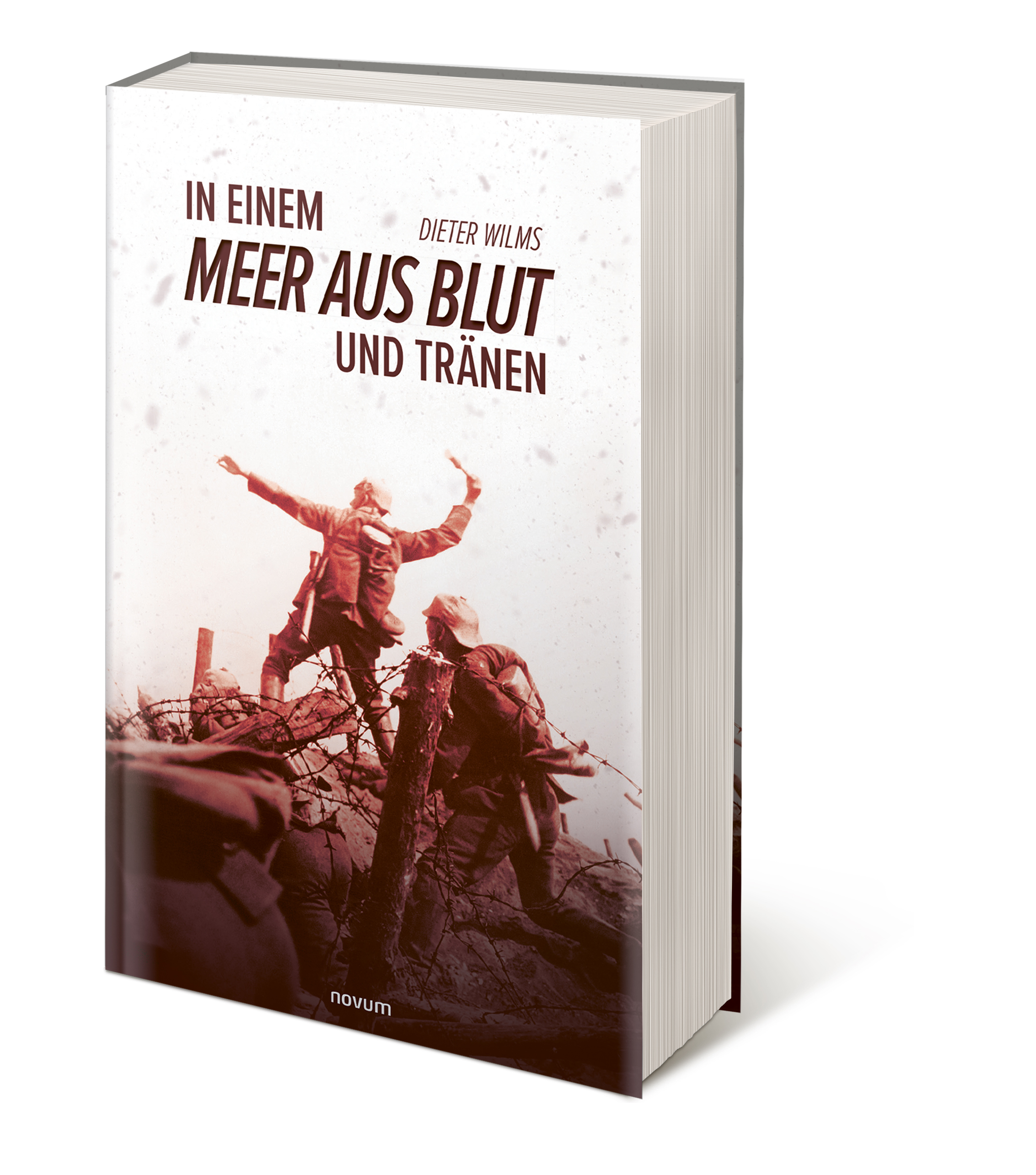
In a Sea of Blood and Tears
The turn of the 19th to the 20th century. The fabric of Europe’s power balance is beginning to tear; political and social conflicts grow stark and culminate in catastrophe. Two boys come of age in this unsettled time: David Rosendahl, son of one of Berlin’s most modern and prosperous meat producers; and Martin, the foundling raised by monks, later subject to suffering under the tyranny of his adoptive father, Franz Kreidler, a highly respected attorney. Neither yet foresees that their paths—and their destinies—will first cross upon the frontlines of the First World War. But that primal catastrophe is only the prelude to upheavals that will summon the next disaster, drawing the families of Rosendahl and Kreidler inexorably into its shadow. With compassion, the author relates the early lives of David and Martin, whose familial tragedies drive them both to the fateful decision of enlisting in the military. At the same time, the author succeeds in a brutal evocation of the front-line ordeals of the First World War and the fevered atmosphere that followed the Treaty of Versailles. He portrays the Roaring Twenties in Berlin, which dissolve into years of inflation, and deftly entwines family histories and individual fates with the larger currents of political and social upheaval. The reader is thus drawn into the ever-escalating mood of the Weimar Republic—growing more aggressive, more poisoned by antisemitism—until it culminates in the Second World War and its inhuman atrocities.